How Websites Detect Temporary Email Addresses (And How Temp Mail Services Bypass Them)
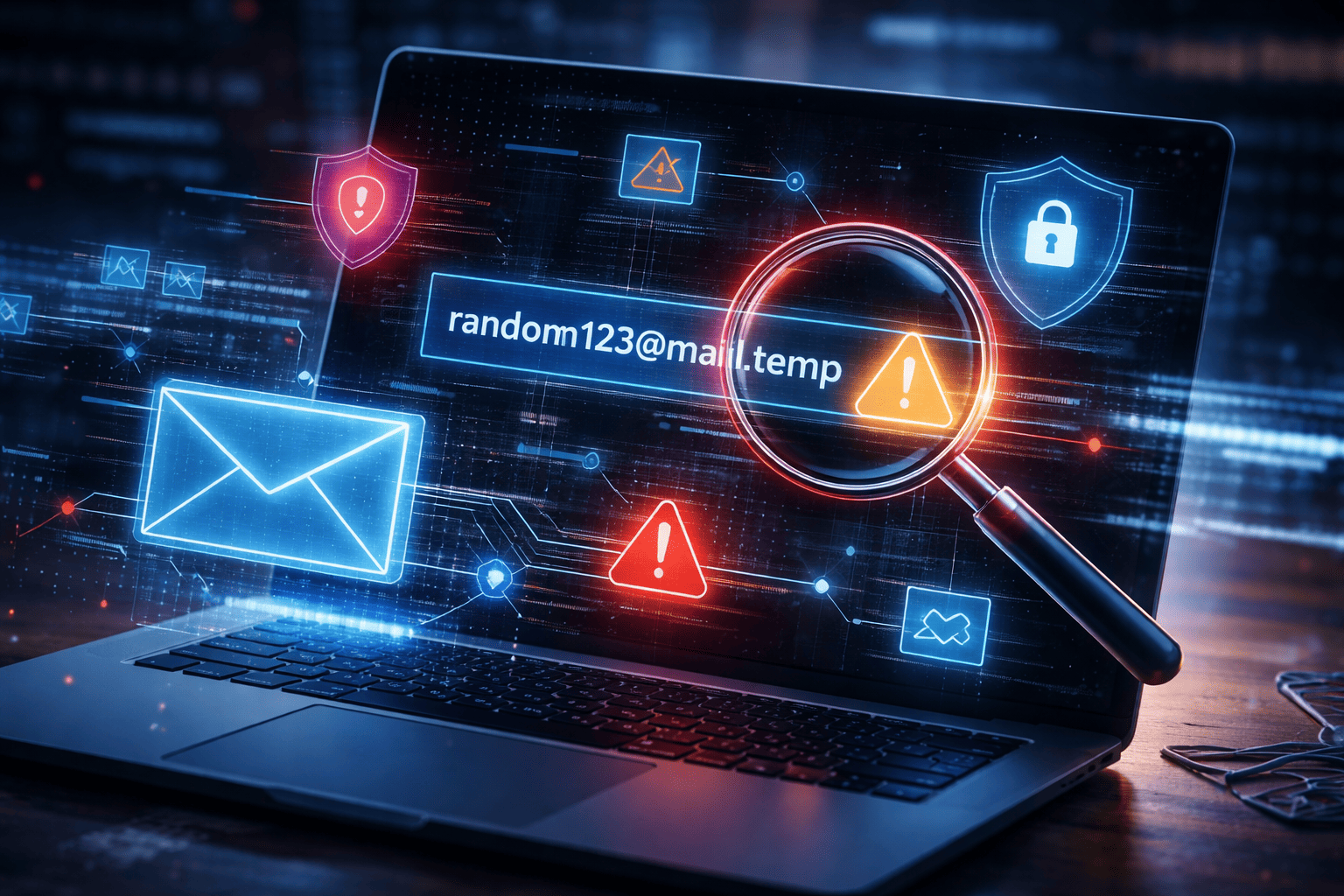
🌐 Temporary email services have become increasingly popular for protecting online privacy. However, many websites now actively try to detect and block disposable email addresses. So how do they do it—and how do temporary email services still manage to work?
This article explores the technologies websites use to identify temporary emails and the methods that privacy tools use to bypass these restrictions.
📧 What Are Temporary Email Addresses?
Temporary email addresses (often called temp mail or disposable emails) are short-lived inboxes that allow users to receive emails without revealing their real address.
They are commonly used for:
- Signing up for websites without spam
- Testing apps and online services
- Protecting personal email privacy
- Avoiding marketing newsletters
Platforms like Flashebox provide instant inboxes that automatically expire after a short time.
🕵️ How Websites Detect Temporary Email Addresses
Many websites try to prevent disposable emails during registration. Here are the most common detection methods.
1️⃣ Disposable Email Domain Lists
The most common method is blocking known temp email domains.
Websites maintain large databases of disposable domains. When a user signs up with one of these domains, the registration is rejected.
Example:
- If a domain appears in a disposable email database, the signup form blocks it automatically.
However, this method is limited because new temporary domains appear constantly.
2️⃣ Email Reputation and Risk Scoring
Some platforms use email reputation systems.
These systems analyze:
- Domain age
- Email activity patterns
- Spam reports
- Domain ownership history
If a domain looks suspicious or newly created, the system may flag it as disposable.
3️⃣ MX Record Analysis
Websites sometimes check the MX (Mail Exchange) records of an email domain.
Temporary email services often use shared mail servers, and these patterns can reveal that the domain belongs to a disposable email provider.
4️⃣ Signup Behavior Analysis
Advanced websites monitor user behavior during registration, including:
- Multiple accounts created from the same IP
- Rapid signups within seconds
- Repeated use of different disposable domains
If such patterns appear, the system may block the account.
5️⃣ API-Based Disposable Email Detection
Some companies offer Disposable Email Detection APIs that websites integrate into their signup forms.
These APIs instantly check whether an email domain belongs to a temporary email provider.
🔓 How Temporary Email Services Bypass These Blocks
Despite these detection methods, temporary email platforms continue to work using several techniques.
1️⃣ Constant Domain Rotation
Disposable email providers regularly create new domains.
When one domain gets blocked, a new domain replaces it quickly.
2️⃣ Distributed Mail Infrastructure
Some services distribute email traffic across multiple mail servers to avoid detection patterns.
This makes it harder for websites to identify a single centralized system.
3️⃣ Domain Reputation Management
More advanced providers maintain better domain reputation by avoiding spam activity and maintaining stable infrastructure.
4️⃣ Smarter Email Routing
Modern temporary email services use dynamic routing systems that mimic normal email hosting environments, making detection more difficult.
⚖ Why Websites Block Temporary Emails
Websites often restrict disposable email addresses because they want to:
- Prevent spam accounts
- Stop abuse and fraud
- Reduce fake user registrations
- Maintain accurate user databases
However, for users concerned about privacy, temporary emails remain an essential tool.
🔐 The Role of Temporary Emails in Online Privacy
Temporary email services help users protect themselves from:
- Spam and marketing overload
- Data leaks
- Tracking by online platforms
- Unwanted account subscriptions
As digital privacy becomes more important, disposable email tools are likely to remain widely used.
📌 Final Thoughts
The battle between websites and temporary email providers is ongoing. While platforms continue improving detection technologies, disposable email services evolve just as quickly.
For users, temporary email addresses remain one of the simplest and most effective tools for protecting personal information online.
As privacy concerns grow, the demand for secure and anonymous communication tools will only continue to increase.
Article Highlights
- Websites detect temporary emails using domain lists, MX checks, and reputation systems
- Disposable email detection APIs are widely used during signup
- Temporary email services bypass restrictions through domain rotation and smarter infrastructure
- Privacy concerns continue driving demand for disposable email tools