What Is Temporary Email and How Does It Work?
In today’s digital world, almost every website asks for your email address. Whether you are signing up for a new app, downloading a file, or accessing online services, email verification has become a standard requirement. But sharing your personal email everywhere can expose you to spam, unwanted marketing messages, and even privacy risks.
This is where temporary email comes in.
Temporary email is a simple and effective solution that helps you protect your primary inbox and maintain your online privacy. In this article, we will explain what temporary email is, how it works, and why millions of people use it every day.
What Is Temporary Email?
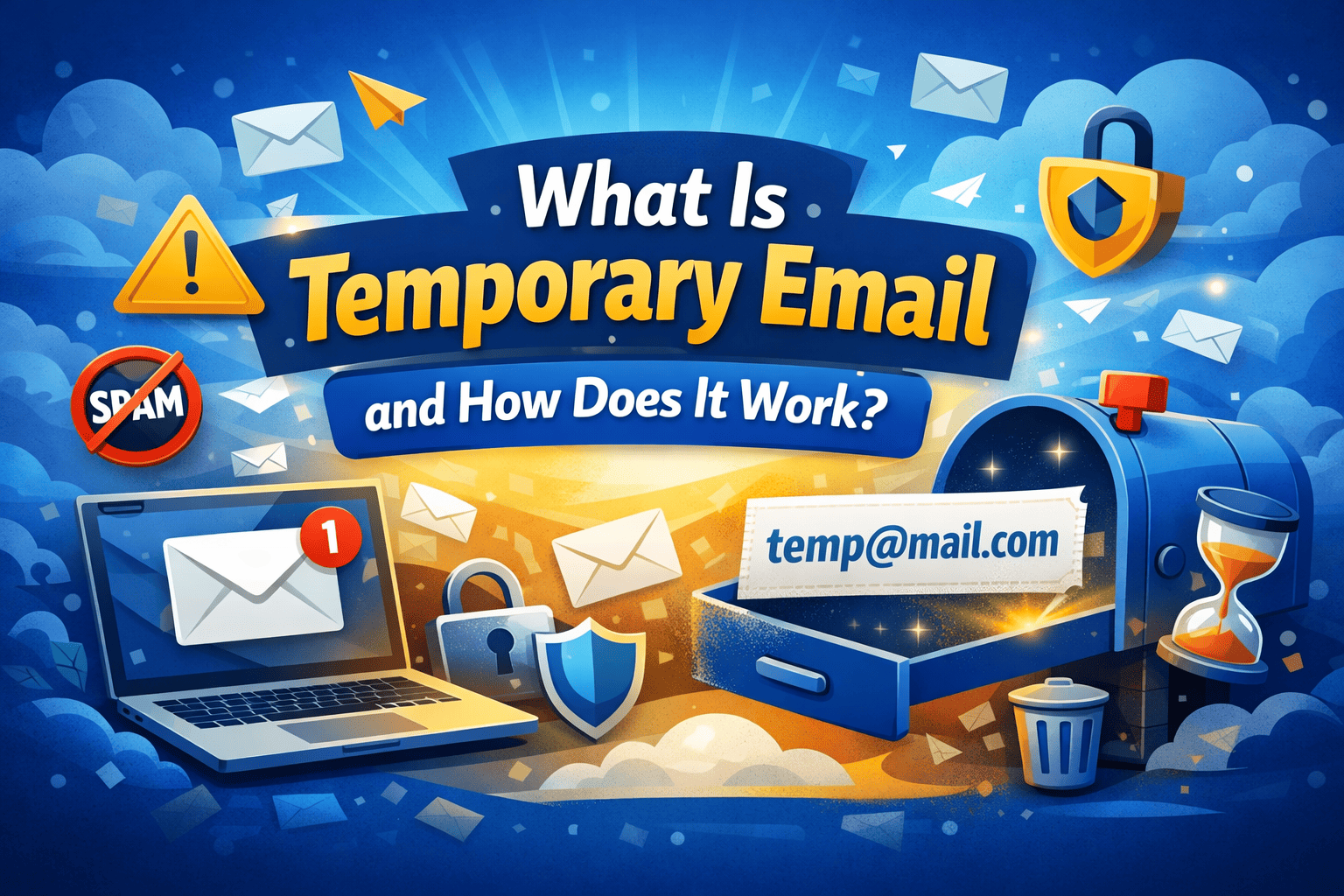
A temporary email (also called disposable email or fake email) is an email address that exists for a short period of time and then automatically expires.
Unlike a regular email account, you don’t need to:
- Sign up
- Create a password
- Provide personal information
You simply get an instant email address that can receive messages for a limited time.
Once the time expires, the email address and all received messages are automatically deleted.
This makes temporary email perfect for situations where you need an email address quickly but don’t want to share your real one.
Why Do People Use Temporary Email?
People use temporary email mainly for privacy and convenience.
Here are the most common reasons:
1. Avoid Spam
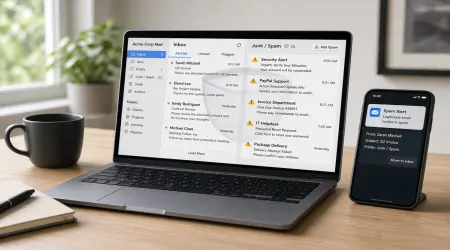
Many websites send promotional emails after you sign up. Some even share your email with third parties. Using a temporary email prevents your real inbox from getting flooded with spam.
2. Protect Personal Information
Your primary email is often linked to important accounts like banking, social media, and work. Sharing it everywhere increases security risks. Temporary email keeps your real identity safe.
3. Quick Sign-Ups
Sometimes you just want to test a service or download something once. Creating a full email account just for that is unnecessary. Temporary email saves time.
4. Anonymous Online Activity
Temporary email helps users stay anonymous while accessing online services that require verification.
5. Testing and Development
Developers and testers use temporary emails to test signup forms, email verification systems, and automated workflows.
How Does Temporary Email Work?
The process is simple and automatic. Here’s how it works step by step:
Step 1: Email Address Generation
When you open a temporary email service, the system automatically creates a random email address for you.
You don’t need to register or log in.
Step 2: Email Reception
Any message sent to that address appears instantly in your temporary inbox. This includes verification codes, confirmation links, or downloaded files.
Step 3: Limited Lifetime
The email address remains active for a short time — usually a few minutes to a few hours depending on the service.
Step 4: Automatic Deletion
After the time expires, the email address and all messages are permanently deleted from the system.
No recovery. No storage. No history.
Temporary Email vs Regular Email
Understanding the difference helps you know when to use each one.
| Feature | Temporary Email | Regular Email |
|---|---|---|
| Registration | Not required | Required |
| Lifetime | Short-term | Permanent |
| Privacy | High | Depends on usage |
| Password | Not needed | Required |
| Storage | Auto-deleted | Long-term storage |
Temporary email is best for short-term use. Regular email is best for long-term communication.
When Should You Use Temporary Email?
Temporary email is ideal in these situations:
- Signing up for websites you don’t trust fully
- Downloading free resources
- Accessing trial services
- Testing online forms
- Avoiding marketing emails
- One-time verifications
However, you should not use temporary email for important accounts like banking, work, or personal communication.
Are Temporary Emails Safe?
Yes — when used correctly.
Most temporary email services automatically delete messages and do not require personal information. This reduces the risk of data leaks.
However, remember:
- Anyone with the same temporary address may see messages (depending on service design)
- Emails are not permanently stored
- You cannot recover deleted messages
Temporary email is designed for convenience — not long-term security.
Advantages of Temporary Email
✔ Protects your personal inbox
✔ Saves time
✔ No registration required
✔ Reduces spam
✔ Improves online privacy
✔ Completely disposable
Limitations of Temporary Email
❌ Not suitable for long-term communication
❌ Emails cannot be recovered after deletion
❌ Some websites block disposable email domains
Understanding these limitations helps you use temporary email wisely.
Final Thoughts
Temporary email is a powerful tool for protecting your privacy and managing online activities safely. It allows you to receive emails without exposing your real identity or cluttering your primary inbox.
As more websites require email verification, temporary email has become an essential privacy solution for modern internet users.
If you want convenience, security, and freedom from spam — temporary email is the perfect choice.