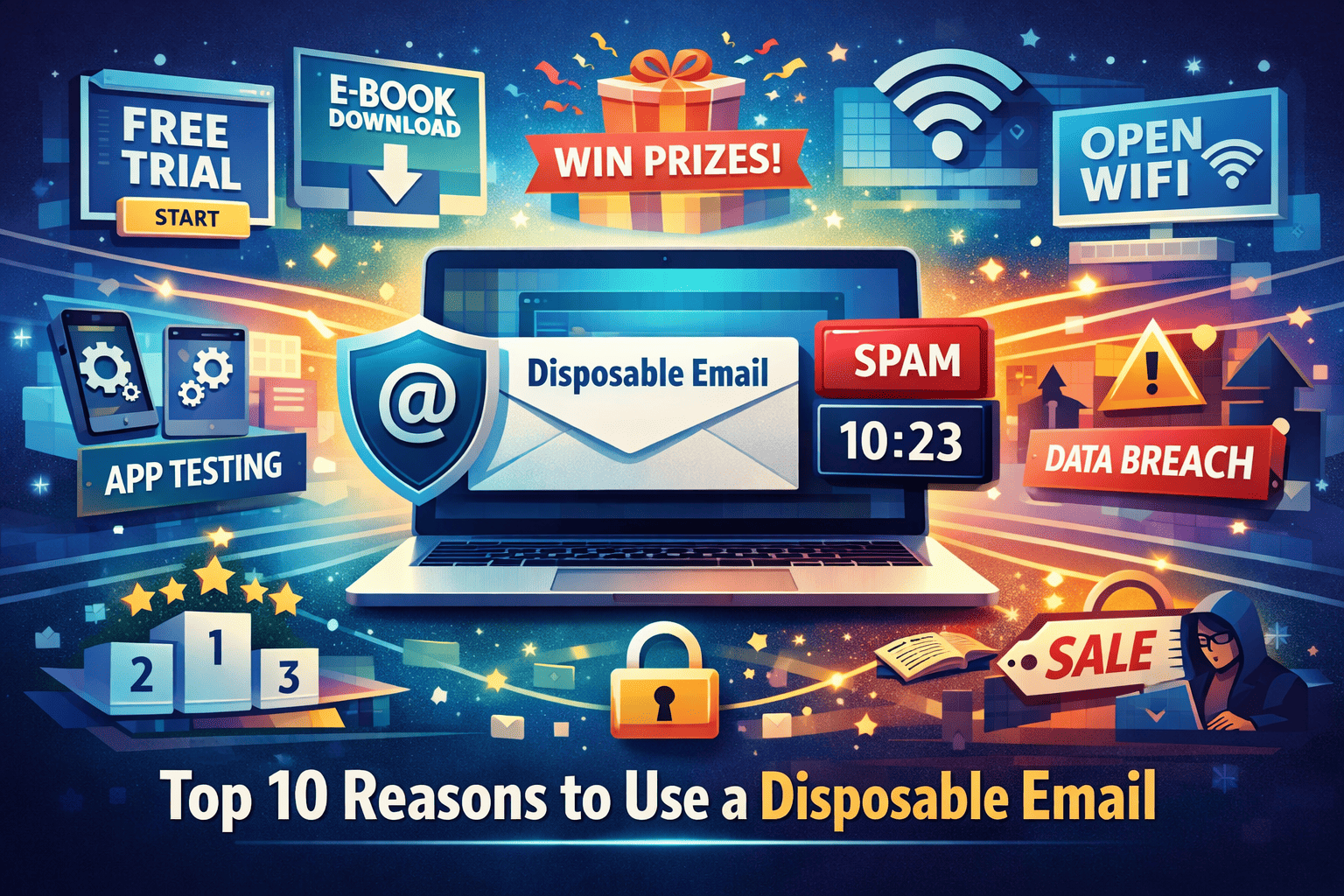
Top 10 Situations Where You Should Always Use a Disposable Email
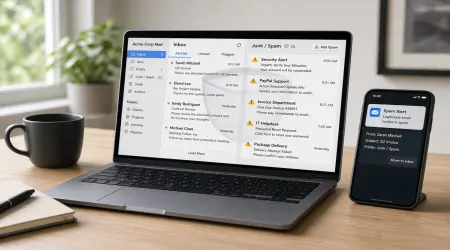
In today’s digital world, almost every website asks for your email address. From signing up for free trials to downloading resources, your inbox is constantly exposed to unknown platforms. While sharing your primary email may seem harmless, it often leads to spam, unwanted marketing emails, and even privacy risks.
That’s where disposable email addresses come in. A temporary email allows you to receive messages without exposing your personal inbox, helping you stay private and secure online.
But when exactly should you use a disposable email?
Let’s explore the top 10 situations where using a temporary email is the smartest choice.
1. Signing Up for Free Trials
Many websites offer free trials but require an email address to activate them. After signing up, they often send promotional emails or automatically enroll you in subscriptions.
Using a disposable email helps you:
- Access the trial instantly
- Avoid marketing emails
- Prevent unwanted subscription reminders
It’s perfect for one-time access without long-term inbox clutter.
2. Downloading Free Resources or eBooks
Websites frequently ask for your email to download PDFs, templates, or guides. After downloading, they may add you to their mailing list permanently.
A temporary email lets you:
- Get the file you need
- Avoid future promotional emails
- Protect your personal inbox
3. Registering on Unfamiliar Websites
If you’re not sure whether a website is trustworthy, never use your personal email. Some sites sell user data or send excessive spam.
Disposable email protects you from:
- Data selling
- Spam campaigns
- Unknown marketing lists
Always use temporary email when testing a new platform.
4. Participating in Online Contests or Giveaways
Many contests require email registration, but some are designed only to collect user data for marketing.
Using a disposable email:
- Prevents spam campaigns
- Keeps your personal email private
- Avoids endless promotional messages
5. Testing Apps or Online Services
If you’re trying new apps, tools, or software, you may need to create multiple accounts for testing purposes.
Temporary emails are ideal because they:
- Allow quick account creation
- Support repeated testing
- Keep your main inbox clean
Developers and testers use this method frequently.
6. Accessing Public WiFi Portals
Some public WiFi networks ask for email registration before granting internet access. These networks may store or share user data.
Using a disposable email helps:
- Protect your identity
- Avoid marketing follow-ups
- Maintain anonymity
7. Avoiding Spam from Online Shopping Sites
Many online stores send frequent promotional emails after purchase or signup. Some send daily offers, discounts, and reminders.
Temporary email allows you to:
- Complete checkout or registration
- Avoid promotional overload
- Keep your inbox organized
8. One-Time Verification Requirements
Some platforms require email verification just once and never contact you again. Using your real email is unnecessary in these cases.
Examples include:
- Forum registrations
- One-time downloads
- Temporary access links
Disposable email is the simplest solution.
9. Protecting Yourself from Data Breaches
Data breaches happen more often than people realize. If a website gets hacked, your email may be leaked or sold.
Using temporary email reduces risk because:
- It’s not linked to your identity
- It expires automatically
- Your main email stays protected
This is a major privacy advantage.
10. Avoiding Long-Term Marketing Subscriptions
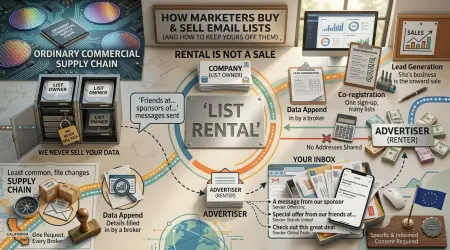
Many websites automatically subscribe users to newsletters. Even if you unsubscribe, your email may remain stored in databases.
Disposable email helps you:
- Stay off marketing lists
- Avoid tracking
- Maintain full control over your digital presence
Why Disposable Email Is Becoming Essential
Online privacy is becoming harder to maintain. Companies collect data, marketers track behavior, and spam is increasing every year. Using your personal email everywhere is no longer safe or practical.
Temporary email services offer:
✔ Privacy protection
✔ Spam prevention
✔ Identity safety
✔ Inbox organization
✔ Anonymous access
They are no longer optional — they are a necessity for smart internet users.
Final Thoughts
Your email address is part of your digital identity. Sharing it carelessly can lead to spam, tracking, and privacy risks. Disposable email gives you full control over where and how your information is used.
Whenever you sign up for something temporary, unknown, or one-time — always choose a disposable email.
It’s the easiest way to browse safely, stay private, and keep your inbox stress-free.